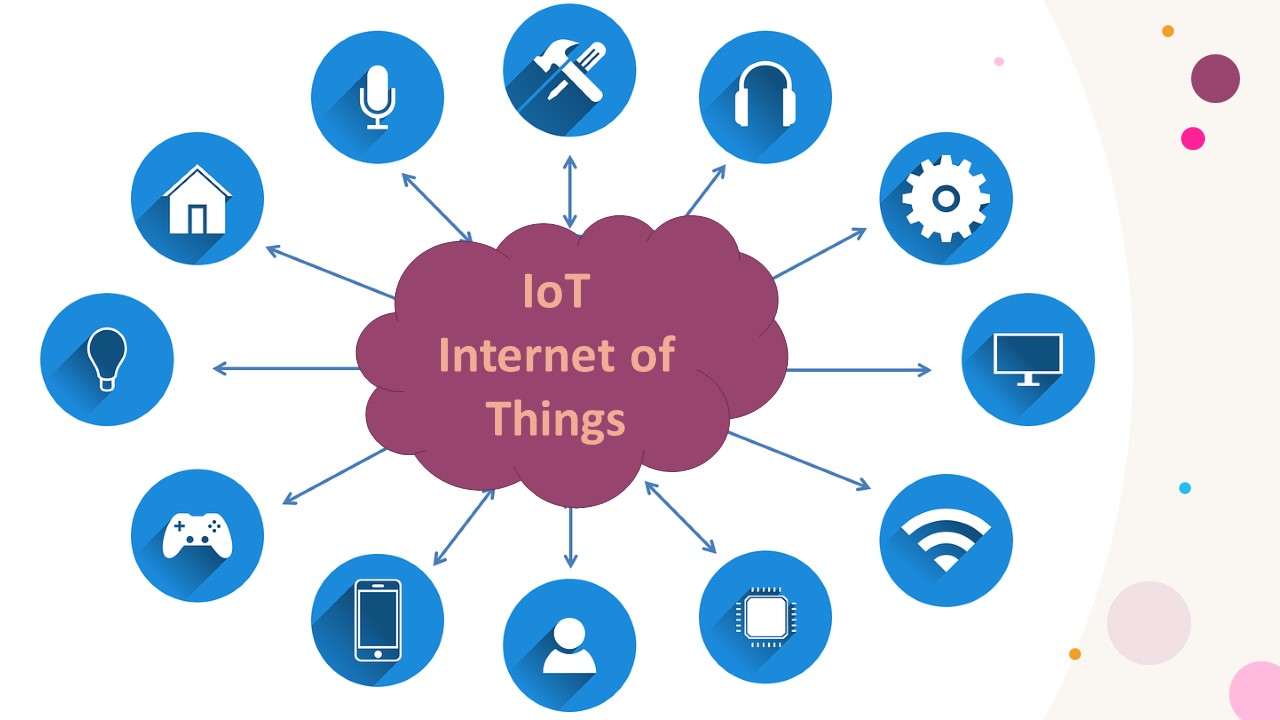
In the past few decades, we have witnessed a remarkable transformation in the way we live and interact with technology. The rise of the Internet of Things (IoT) has played a significant role in this revolution. The IoT refers to the network of interconnected devices that can communicate and exchange data with each other over the internet. From smart homes and wearable devices to industrial applications and smart cities, the IoT has permeated various aspects of our lives, reshaping the world as we know it.
- Defining the Internet of Things:
- Enhancing Efficiency and Convenience:
- Revolutionizing Industries:
- Smart Homes and Connected Living:
- Healthcare and Wearable Devices:
- Industrial Automation and Smart Cities:
- Agriculture and Environmental Monitoring:
- Security and Privacy Concerns:
- Enabling Smart Cities:
- Unlocking New Business Opportunities:
- Improving Sustainability:
- Enhancing Our Daily Lives:
- Revolutionizing Industries:
- Transforming Transportation:
- Addressing Challenges and Concerns:
- Future Possibilities:
- Conclusion:
Defining the Internet of Things:
The Internet of Things can be defined as a vast network of physical devices embedded with sensors, software, and connectivity that enables them to collect and exchange data. These devices can range from everyday objects like thermostats, refrigerators, and lights to complex systems used in industries such as manufacturing, healthcare, and transportation. By connecting these devices, the IoT enables seamless communication and the exchange of information, leading to increased efficiency, automation, and improved decision-making.
Enhancing Efficiency and Convenience:
The Internet of Things has the power to enhance efficiency and convenience in multiple domains. Connected devices enable seamless automation, allowing us to remotely control and monitor various aspects of our lives. Smart homes equipped with IoT devices offer automated lighting, temperature control, and security systems, all accessible through our smartphones. Additionally, IoT-enabled wearables such as fitness trackers and smartwatches provide personalized health insights, encouraging individuals to adopt healthier lifestyles.
Revolutionizing Industries:
Connected devices are revolutionizing industries, leading to the concept of Industry 4.0. In manufacturing, IoT sensors embedded in machinery can collect real-time data, enabling predictive maintenance and reducing downtime. Supply chain management benefits from improved tracking and monitoring of goods, ensuring efficient logistics and reducing losses. Moreover, IoT applications in agriculture, healthcare, transportation, and energy sectors are transforming operations, optimizing resource allocation, and improving productivity.
Smart Homes and Connected Living:
One of the most visible applications of IoT is in the realm of smart homes. Connected devices like smart thermostats, lighting systems, and security cameras allow homeowners to control and monitor their homes remotely. IoT technology enhances energy efficiency, improves security, and provides convenience, making our lives more comfortable and secure.
Healthcare and Wearable Devices:
IoT has made significant strides in the healthcare industry, transforming the way we monitor and manage our health. Wearable devices, such as fitness trackers and smartwatches, collect vital health data and provide insights into our well-being. These devices can track heart rate, sleep patterns, physical activity, and even detect potential health issues. With IoT, healthcare professionals can remotely monitor patients, enabling proactive and personalized care.
Industrial Automation and Smart Cities:
IoT is revolutionizing industries by introducing automation and efficiency. In manufacturing plants, connected sensors and devices monitor equipment performance, optimize workflows, and predict maintenance needs. This leads to increased productivity, reduced downtime, and cost savings. Moreover, IoT plays a crucial role in building smart cities, improving transportation systems, managing energy consumption, and enhancing overall urban planning.
Agriculture and Environmental Monitoring:
Connected devices have also found their way into the agricultural sector, revolutionizing farming practices. IoT-enabled sensors monitor soil moisture, temperature, and nutrient levels, providing real-time data to farmers. This data helps optimize irrigation, fertilization, and crop management, leading to increased yields and reduced resource wastage. Additionally, IoT-based environmental monitoring systems enable early detection of pollution, forest fires, and natural disasters, aiding in effective disaster management.
Security and Privacy Concerns:
While the benefits of IoT are undeniable, the rapid proliferation of connected devices raises concerns about security and privacy. With numerous devices connected to the internet, there is an increased risk of data breaches and unauthorized access. Ensuring robust security measures and implementing data privacy regulations becomes crucial to protect individuals and organizations from potential threats.
Enabling Smart Cities:
The IoT plays a pivotal role in building smart cities, where interconnected devices and sensors enable efficient resource management and improve the quality of life for residents. Smart traffic management systems reduce congestion and enhance road safety. IoT-enabled waste management systems optimize garbage collection routes, leading to cleaner and healthier urban environments. Furthermore, intelligent street lighting systems adjust brightness based on real-time data, reducing energy consumption and promoting sustainability.
Unlocking New Business Opportunities:
The Internet of Things has opened up new avenues for businesses. Companies can collect vast amounts of data through connected devices, providing valuable insights into consumer behavior, preferences, and usage patterns. This data can be leveraged to develop personalized marketing strategies, improve product development, and deliver better customer experiences. Moreover, IoT connectivity has led to the rise of subscription-based services and business models, offering customers access to various products and services on demand.
Improving Sustainability:
Connected devices are instrumental in promoting sustainability and addressing environmental challenges. By monitoring energy usage, IoT-enabled smart grids optimize energy distribution, reducing waste and lowering carbon emissions. Water management systems employ IoT sensors to detect leaks and efficiently manage water resources. Additionally, smart buildings equipped with IoT devices regulate energy consumption by adjusting heating, cooling, and lighting based on occupancy, leading to substantial energy savings.
Enhancing Our Daily Lives:
The impact of the IoT on our daily lives cannot be overstated. Connected devices have transformed our homes into smart homes, where we can control various aspects remotely. From adjusting the temperature and lighting to monitoring security cameras and managing appliances, IoT-enabled devices provide convenience, energy efficiency, and enhanced safety.
Moreover, wearable devices have gained popularity, helping individuals track their health and fitness levels. These devices, such as smartwatches and fitness bands, collect data on heart rate, sleep patterns, and physical activity, allowing users to make informed decisions about their well-being.
Revolutionizing Industries:
The IoT has also brought significant changes to industries across the globe. In manufacturing, connected sensors and equipment facilitate real-time monitoring, predictive maintenance, and process optimization. This leads to increased productivity, reduced downtime, and cost savings.
Healthcare has seen the emergence of telemedicine and remote patient monitoring. IoT devices enable healthcare providers to remotely monitor patients, collect vital signs, and offer timely interventions. This technology has the potential to improve access to healthcare, especially for patients in remote areas.
Transportation has benefited from the IoT through the development of smart cities and connected vehicles. Intelligent transportation systems leverage IoT technologies to optimize traffic flow, enhance road safety, and reduce congestion. Connected vehicles can communicate with each other and infrastructure, leading to efficient transportation networks and the potential for autonomous driving.
Transforming Transportation:
The IoT is reshaping the transportation industry with advancements such as connected cars and intelligent transportation systems. Connected vehicles can communicate with each other and with infrastructure, leading to improved road safety, optimized traffic flow, and reduced congestion. IoT-enabled fleet management systems enable real-time tracking, route optimization, and predictive maintenance, enhancing efficiency in logistics and transportation operations.
Addressing Challenges and Concerns:
While the IoT offers tremendous opportunities, it also presents challenges and concerns. Security and privacy are critical issues since interconnected devices can be vulnerable to cyberattacks. Ensuring robust security measures and protecting user data should be a top priority to maintain trust in IoT systems.
The sheer volume of data generated by connected devices raises questions about data management, storage, and analysis. Big data analytics and artificial intelligence play a crucial role in extracting meaningful insights from vast amounts of data, enabling better decision-making and personalized experiences.
Future Possibilities:
Looking ahead, the IoT is expected to continue its exponential growth and influence. As 5G networks become more widespread, the increased bandwidth and lower latency will enable faster and more reliable communication between devices. This will open up new possibilities for applications such as smart cities, autonomous vehicles, and immersive virtual and augmented reality experiences.
Conclusion:
The Internet of Things has ushered in a new era of connectivity and transformed the way we live, work, and interact with technology. From smart homes to industrial automation, the IoT has revolutionized various sectors, enhancing efficiency, productivity, and our overall quality of life. However, as the IoT continues to evolve, it is crucial to address security, privacy, and data management concerns to ensure its responsible and sustainable growth. With continued advancements and innovations, the Internet of Things is set to reshape our world in ways we are only beginning to imagine.


Leave a Reply