In the intricate world of hydraulic systems, where fluid power drives machinery and equipment, every component plays a vital role in ensuring smooth operation and efficiency. Among these components, check valves stand as silent guardians, silently but effectively controlling the flow of hydraulic fluid. In this blog post, we’ll delve into the significance of check valves in hydraulic systems, exploring their functions, types, applications, and the importance of proper selection and maintenance.
Understanding the Function of Check Valves: Check valves, also known as non-return valves or one-way valves, are simple yet indispensable devices designed to permit fluid flow in one direction while preventing backflow in the opposite direction. Their primary function is to ensure the unidirectional flow of hydraulic fluid, thereby maintaining system integrity, performance, and safety.
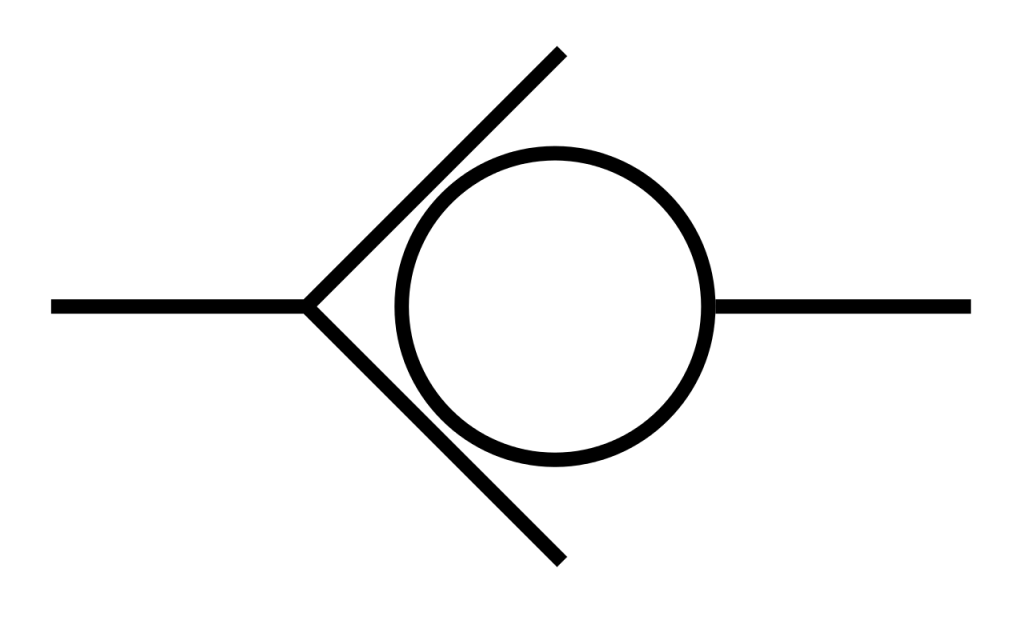
Types of Check Valves:
- Swing Check Valves: These valves feature a hinged disc that swings open to allow fluid flow in the forward direction and closes tightly to prevent reverse flow when the fluid flow stops or reverses. Swing check valves are suitable for applications requiring low pressure drop and minimal restriction.
- Lift Check Valves: Lift check valves utilize a vertically moving disc or piston mechanism to control the flow of fluid. When fluid flow ceases or reverses, the disc or piston lifts from its seat, enabling fluid passage. Lift check valves are commonly employed in applications with higher flow rates and pressure requirements.
- Ball Check Valves: Ball check valves incorporate a spherical ball that moves within a seat to regulate fluid flow. When fluid flows in the desired direction, the ball is pushed away from the seat, allowing passage. However, when flow reverses, the ball returns to its seat, preventing backflow. Ball check valves are versatile and find applications in various hydraulic systems.
Applications of Check Valves:
Check valves are ubiquitous in hydraulic systems across a wide range of industries and applications, including:
- Hydraulic power units
- Oil and gas processing
- Chemical processing
- Water and wastewater treatment
- Irrigation systems
- HVAC systems
- Pneumatic systems
Importance of Proper Selection and Maintenance:
Proper selection and maintenance of check valves are critical for ensuring optimal performance and reliability of hydraulic systems. Considerations include:
- Flow rate and pressure requirements
- Fluid compatibility with valve materials
- Installation orientation for efficient fluid flow
- Regular maintenance and inspection to detect and address wear, damage, or malfunction
Example of a check valve in a hydraulic system:
Scenario:
Imagine a hydraulic power unit supplying pressurized hydraulic fluid to operate a hydraulic cylinder in a manufacturing plant. The hydraulic cylinder is responsible for controlling the movement of a robotic arm used in an assembly line.
Check Valve Application: Within the hydraulic system, a check valve is typically installed in the hydraulic line leading from the hydraulic pump to the hydraulic cylinder. Its purpose is to prevent backflow of hydraulic fluid when the pump is not actively supplying pressure or when pressure drops due to system shutdown or hydraulic cylinder movement.
Functionality:
- During Operation:
- When the hydraulic pump is active and pressurizing the hydraulic fluid, the check valve allows fluid to flow freely from the pump to the hydraulic cylinder, enabling the robotic arm to move as required for the assembly process.
- The check valve remains open as long as the fluid pressure from the pump exceeds the pressure in the hydraulic cylinder, ensuring continuous and controlled movement of the robotic arm.
- During System Shutdown or Cylinder Movement:
- When the hydraulic pump is turned off or when the hydraulic cylinder moves, causing pressure in the system to drop, the check valve immediately closes.
- This prevents the hydraulic fluid from flowing backward into the pump or other parts of the hydraulic system, maintaining system integrity and preventing potential damage or malfunction.
Benefits:
- Prevents backflow: The check valve ensures that hydraulic fluid flows only in the desired direction, preventing reverse flow and potential damage to the pump or contamination of the hydraulic system.
- Enhances safety: By maintaining system pressure and preventing unexpected movements of the hydraulic cylinder, the check valve contributes to the overall safety of the machinery and operators.
- Improves efficiency: The check valve helps optimize the performance and efficiency of the hydraulic system by ensuring uninterrupted fluid flow during operation and controlled shutdown.
Overall, the check valve serves as a critical component within the hydraulic system of the robotic arm assembly, providing essential protection against backflow and ensuring smooth and reliable operation of the machinery in the manufacturing environment.
Conclusion:
Check valves serve as indispensable components in hydraulic systems, playing a pivotal role in regulating fluid flow, preventing backflow, and ensuring system efficiency and safety. By understanding the functions, types, applications, and key considerations associated with check valves, hydraulic system designers and operators can make informed decisions to optimize performance and reliability.
Incorporating high-quality check valves and implementing proper selection, installation, and maintenance practices are essential for maximizing the longevity and functionality of hydraulic systems across diverse industrial sectors.


Leave a Reply